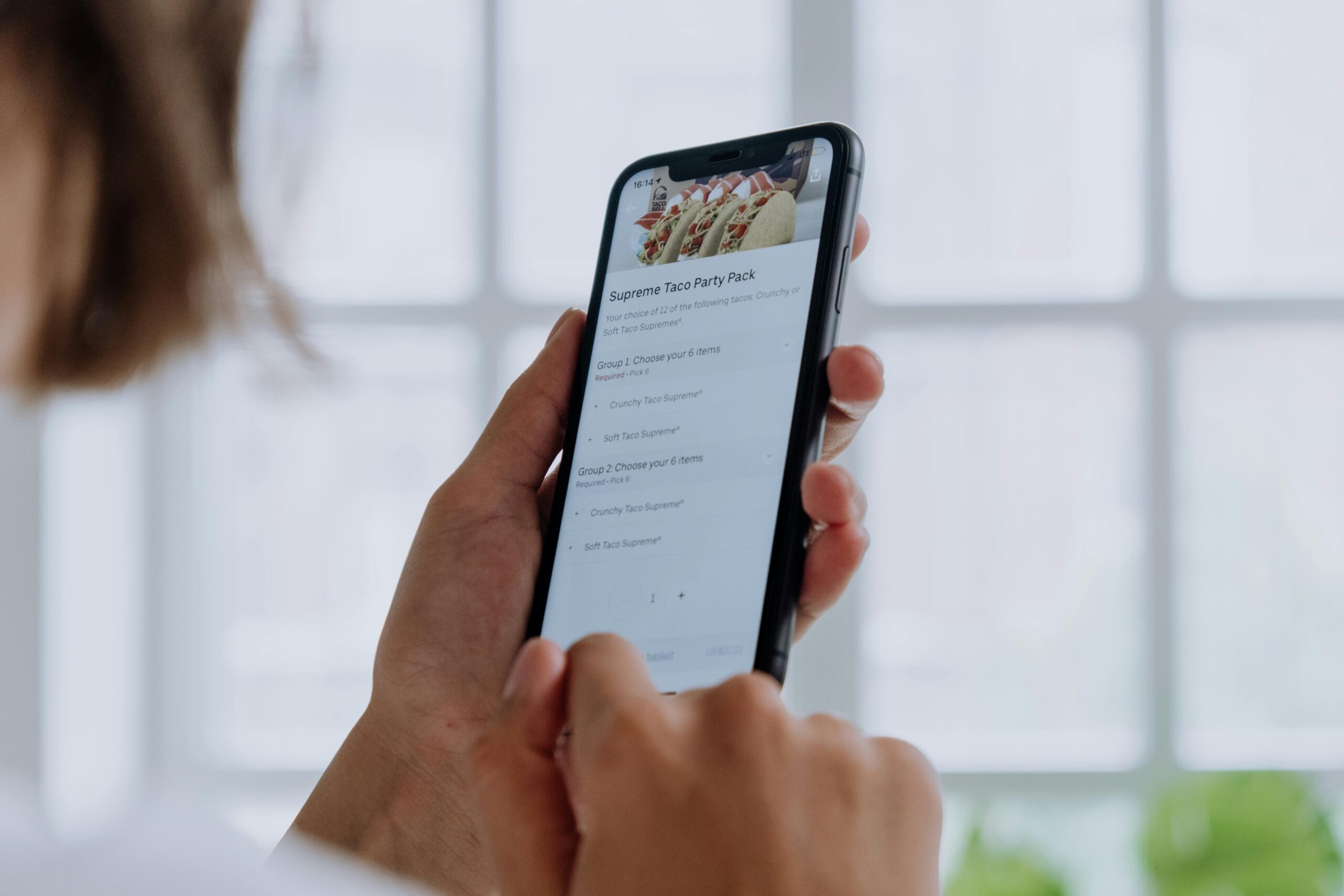
Strategic friction in user experience design isn’t about creating obstacles—it’s about intentionally crafting moments that enhance engagement, build trust, and ultimately deliver better outcomes for users and businesses alike.

🎯 Rethinking the Friction Paradigm in Modern UX Design
For years, the user experience community has championed frictionless design as the ultimate goal. We’ve obsessed over reducing clicks, eliminating steps, and creating seamless journeys that allow users to complete tasks with minimal effort. While this approach has merit, it has inadvertently created a blind spot in our understanding of how users actually interact with digital products.
The reality is that not all friction is created equal. Some friction serves important purposes—protecting user privacy, encouraging thoughtful decision-making, building anticipation, or creating memorable moments that differentiate your product from competitors. This concept, known as friction-aware UX, represents a paradigm shift in how we approach design challenges.
Friction-aware UX acknowledges that the path of least resistance isn’t always the path to the best user experience. Sometimes, introducing deliberate challenges or obstacles can actually improve outcomes, increase user satisfaction, and build stronger relationships between users and products.
The Psychology Behind Productive Friction
Understanding why friction can be beneficial requires diving into behavioral psychology and cognitive science. Humans don’t always make optimal decisions when given unlimited freedom and zero resistance. In fact, research shows that some level of difficulty or challenge can enhance our appreciation for outcomes and improve our decision-making processes.
The concept of “cognitive disfluency” suggests that when we encounter slight difficulties in processing information, we engage more deeply with that information. This increased engagement leads to better retention, more thoughtful consideration, and ultimately more satisfying outcomes. When everything is too easy, we operate on autopilot, making snap judgments that we might later regret.
Consider the paradox of choice: when presented with too many options and no friction to slow us down, we often experience decision paralysis or buyer’s remorse. Strategic friction can guide users toward better choices by creating natural pause points for reflection.
Building Trust Through Transparent Obstacles
One of the most powerful applications of friction-aware UX is in building user trust. When users encounter security measures, confirmation dialogs, or verification steps, they recognize that you’re taking their safety and privacy seriously. These moments of friction communicate that you value protection over convenience—a message that resonates deeply in an era of data breaches and privacy concerns.
Banking applications exemplify this principle beautifully. Users don’t complain about two-factor authentication or transaction confirmations because they understand these friction points exist for their protection. In fact, users would likely feel less secure without these safeguards.
Strategic Friction Points That Enhance User Experience
Not all friction is beneficial, but certain types of intentional challenges can significantly improve the overall user experience. Understanding where and how to implement these friction points is crucial for successful friction-aware design.
Confirmation and Reflection Moments 💭
Destructive actions—deleting accounts, removing data, making irreversible purchases—should always include friction. A simple confirmation dialog might seem like an unnecessary step, but it prevents countless regrettable actions and demonstrates respect for the consequences of user decisions.
Social media platforms have learned this lesson the hard way. Instagram, for example, now includes a brief waiting period and confirmation step before permanently deleting an account. This friction reduces impulsive deletions and gives users time to reconsider emotional decisions.
Onboarding Investment and Commitment
Creating some initial friction during onboarding can paradoxically increase user commitment and long-term engagement. When users invest time or effort into setting up their profiles, customizing their experience, or learning how to use a product, they develop a sense of ownership and are more likely to continue using it.
Fitness and habit-tracking applications leverage this principle effectively. By asking users to set specific goals, answer detailed questions about their lifestyle, and configure personalized settings, these apps create an initial investment that makes users more committed to following through on their objectives.
Scarcity and Anticipation Building
Friction in the form of waiting periods, limited availability, or exclusive access can actually increase perceived value and user desire. This isn’t about being manipulative—it’s about recognizing that instant gratification doesn’t always lead to lasting satisfaction.
Premium content platforms often use timed releases rather than dropping all episodes at once. This friction creates anticipation, encourages discussion, and prevents binge-induced burnout. Users often report greater satisfaction with this model despite its inherent inconvenience.
Identifying Where Friction Adds Value in Your Product 🔍
The challenge with friction-aware UX is determining which friction points to introduce or preserve and which to eliminate. This requires a nuanced understanding of your users, your product goals, and the context in which interactions occur.
Start by mapping your user journey and identifying critical decision points, irreversible actions, and moments where thoughtfulness trumps speed. These are natural candidates for strategic friction. Ask yourself: what happens if a user completes this action too quickly? What are the potential negative consequences of frictionless execution?
The Risk-Reward Framework
A useful mental model for evaluating friction is the risk-reward framework. High-risk actions (financial transactions, data deletion, relationship changes) warrant more friction. Low-risk, high-frequency actions (browsing content, navigation, search) should remain as frictionless as possible.
Create a simple matrix categorizing your product’s actions by risk level and frequency. This visual representation helps teams align on where friction makes sense and where it becomes an unnecessary burden.
| Action Type | Risk Level | Recommended Friction | Example |
|---|---|---|---|
| Account Deletion | High | Multiple confirmations + delay | 30-day recovery period |
| Content Browsing | Low | Minimal to none | Infinite scroll |
| Payment Processing | High | Verification + confirmation | CVV code + final review |
| Profile Updates | Medium | Save button confirmation | Success message |
Designing Friction That Feels Purposeful, Not Punitive
The difference between good friction and bad friction often comes down to communication and design execution. Users will tolerate—even appreciate—friction when they understand its purpose and when it’s implemented elegantly.
Transparency is paramount. Always explain why friction exists. A simple message like “We’re asking you to confirm this action to protect your account” transforms an annoyance into a reassurance. Users are remarkably understanding when they comprehend the reasoning behind design decisions.
Making Friction Feel Natural and Integrated
Friction should never feel tacked on or arbitrary. It needs to integrate seamlessly into the overall user experience, with visual design, microinteractions, and copy working together to make the moment feel intentional and valuable.
Animation and transition effects can make friction feel less jarring. A thoughtfully designed loading animation or progress indicator communicates that something important is happening, transforming waiting time from frustration into anticipation.
Duolingo masterfully implements productive friction through its streak system and daily goals. Missing a day creates friction—users must confront their broken streak—but this friction motivates consistent engagement and learning. The app makes this friction feel like a game mechanic rather than a punishment.
Testing and Validating Your Friction Decisions 📊
Like all UX decisions, friction-aware design requires testing and iteration. User testing should specifically evaluate whether friction points achieve their intended purposes without creating excessive frustration.
Qualitative research is particularly valuable here. Watch how users react to friction points. Do they understand the purpose? Do they express appreciation for the protection or guidance? Or do they show confusion and irritation? User interviews can reveal whether your friction strategy aligns with user expectations and needs.
Metrics That Matter for Friction-Aware Design
Standard UX metrics like task completion time might actually increase with strategic friction—and that’s okay. Instead, focus on metrics that capture quality outcomes:
- Decision reversal rates (how often users undo actions)
- Error rates on critical tasks
- Customer support tickets related to accidental actions
- Long-term engagement and retention rates
- User satisfaction scores specific to security and trust
- Task completion confidence levels
A/B testing can reveal surprising insights about friction. Test variations with different levels of friction to find the optimal balance. You might discover that a moderate friction point actually improves conversion rates by increasing user confidence in their decisions.
Common Pitfalls in Implementing Friction-Aware UX ⚠️
While strategic friction can enhance user experience, implementation mistakes can quickly turn beneficial friction into harmful obstacles. Awareness of common pitfalls helps teams avoid undermining their friction-aware design strategies.
The most frequent mistake is adding friction without clear purpose. Every friction point should serve a specific, user-centered goal. Friction that exists solely for business convenience or due to technical limitations will always frustrate users without delivering corresponding benefits.
Overdoing the Good Thing
Even beneficial friction becomes problematic when overused. Multiple confirmation dialogs, excessive security steps, or too many reflection moments create friction fatigue. Users begin clicking through friction points without processing them, defeating their entire purpose.
Calibrate your friction based on user expertise and context. Power users who perform actions frequently may need different friction levels than occasional users. Adaptive interfaces that adjust friction based on user behavior patterns represent an advanced application of friction-aware design.
Ignoring Mobile Context and Constraints
Friction that works well on desktop may become unbearable on mobile devices. Typing confirmations, navigating through multiple screens, or completing complex verification steps feels exponentially more difficult on small screens with touch interfaces.
Mobile-first friction design requires creativity. Biometric authentication, swipe gestures, and contextual confirmations can provide necessary friction without the tedium of traditional desktop patterns.
The Business Case for Embracing UX Challenges 💼
Convincing stakeholders to intentionally add friction to user experiences can be challenging, especially in cultures that prioritize speed and efficiency above all else. Building a compelling business case for friction-aware UX requires connecting design decisions to measurable business outcomes.
Strategic friction reduces costly errors and support requests. When users make fewer mistakes, your customer service team handles fewer tickets, and your development team spends less time building undo functionality or damage control features. These operational savings often far exceed any minor reduction in conversion rates.
Trust and perceived security directly impact long-term customer value. Users who trust your product are more likely to become loyal customers, recommend your product to others, and tolerate occasional issues. Friction that builds trust is an investment in customer lifetime value.
Differentiation Through Thoughtful Design
In crowded markets, friction-aware UX can become a differentiator. While competitors race to remove all friction, your product can stand out by demonstrating respect for user decisions, protection of user interests, and recognition that not all goals are achieved through speed alone.
Premium brands often leverage friction strategically to reinforce their positioning. Luxury e-commerce sites might include more elaborate checkout processes that feel ceremonial rather than tedious, aligning the transaction friction with the product’s elevated status.
Evolving Your Friction Strategy Over Time 🌱
Friction-aware UX isn’t a set-it-and-forget-it strategy. As your product matures, your user base evolves, and technology advances, your friction points should adapt accordingly.
New users often benefit from more friction—guidance, confirmations, and guardrails that prevent mistakes while learning. As users gain expertise, some friction points can be reduced or made optional. Progressive disclosure of advanced, low-friction workflows for power users creates the best of both worlds.
Monitor how cultural attitudes toward privacy, security, and digital interactions evolve. Friction that feels appropriate today might feel excessive tomorrow, or vice versa. Stay attuned to shifting user expectations and adjust your strategy accordingly.

Crafting Experiences Worth the Extra Click 🎨
The ultimate goal of friction-aware UX is creating experiences that users value precisely because they include thoughtful challenges. These are experiences where users finish thinking “that was worth the effort” rather than “that was unnecessarily complicated.”
This requires moving beyond binary thinking about friction as either good or bad. Instead, evaluate each potential friction point through multiple lenses: user safety, decision quality, emotional impact, business outcomes, and technical constraints. The intersections of these considerations reveal opportunities for strategic friction.
Documentation and design systems should codify your friction philosophy. Establish clear principles about when and how to introduce friction, with specific examples and anti-patterns. This ensures consistency across your product and helps new team members understand the reasoning behind seemingly counterintuitive design decisions.
Friction-aware UX represents a maturation of the design discipline—recognition that our role isn’t simply to remove all obstacles, but to thoughtfully shape user journeys that balance ease, safety, meaning, and delight. By embracing the benefits of user experience challenges, we create products that respect users’ intelligence, protect their interests, and deliver genuinely satisfying outcomes.
The most successful digital products of the coming years won’t be the fastest or most frictionless—they’ll be the ones that master the art of strategic friction, knowing exactly when to smooth the path and when to create meaningful resistance. This nuanced approach to UX design ultimately serves both users and businesses better than the single-minded pursuit of efficiency ever could.