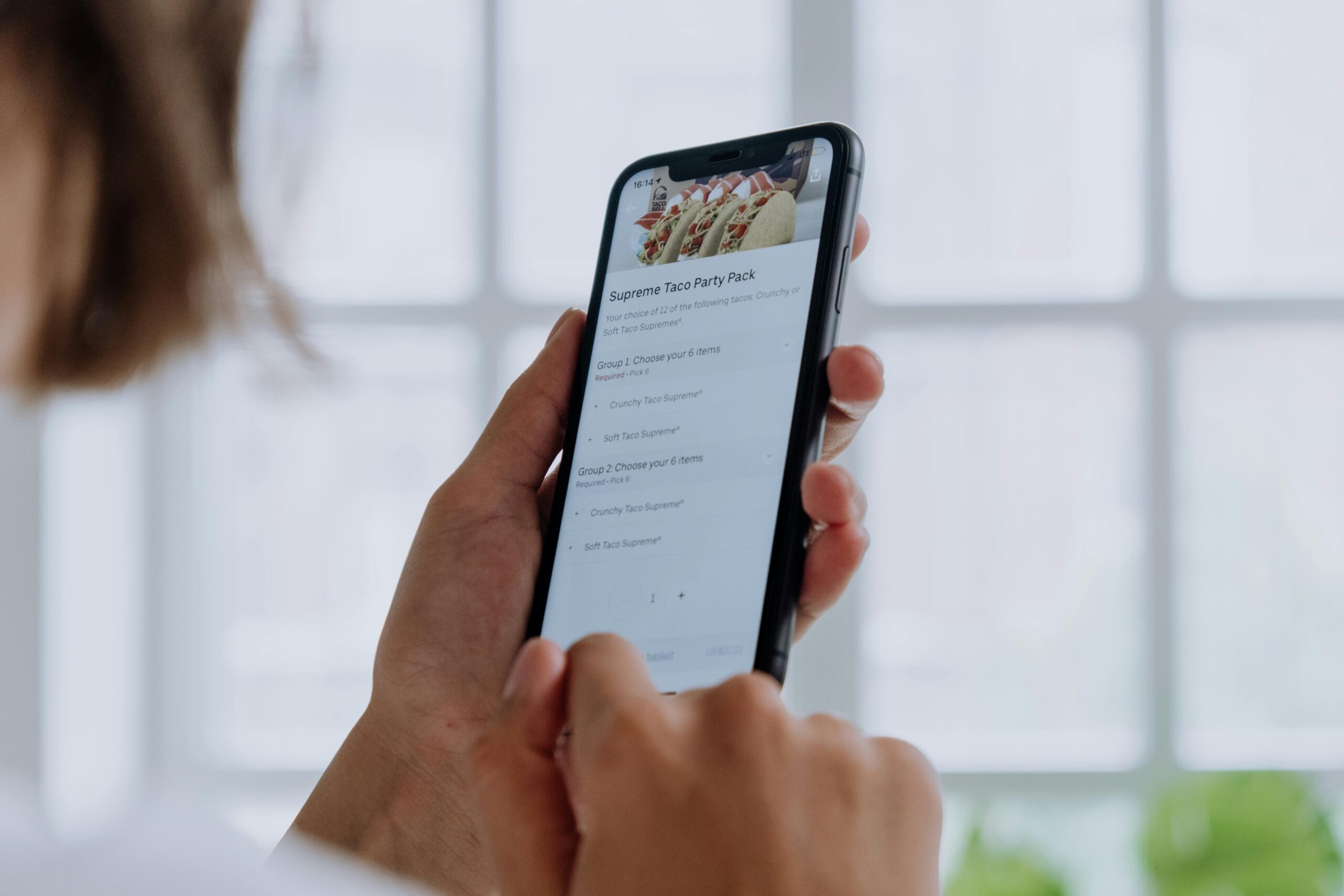
Product friction isn’t always the enemy. Understanding when to reduce it and when to strategically add it can transform user experience and drive business success.

In the world of product design and user experience, friction has long been painted as the villain. We’re constantly told to streamline, simplify, and remove obstacles from the customer journey. But what if friction, when applied strategically, could actually improve your product outcomes? This concept might seem counterintuitive, but the most successful companies have mastered the delicate balance between removing unnecessary friction and introducing intentional resistance at critical moments.
The reality is that friction serves multiple purposes in product design. It can protect users from making mistakes, create perceived value, ensure quality control, and even build anticipation. The key lies in understanding which type of friction serves your users and business goals, and which type simply frustrates them into abandonment.
🎯 Understanding the Two Faces of Friction
Before diving into specific case studies, it’s essential to distinguish between good friction and bad friction. Bad friction occurs when unnecessary steps, confusing interfaces, or technical problems prevent users from accomplishing their goals. This type of friction leads to cart abandonment, user frustration, and negative reviews.
Good friction, conversely, is intentionally designed resistance that serves a specific purpose. It might slow users down at critical decision points, verify their commitment, protect their security, or enhance the perceived value of what they’re receiving. Companies that master this distinction create products that feel both effortless where it matters and thoughtful where it counts.
The Psychology Behind Strategic Friction
Human psychology plays a crucial role in how we perceive friction. The effort justification effect suggests that when people work harder for something, they value it more highly. This psychological principle explains why some brands intentionally make their products slightly harder to obtain or use, creating a sense of exclusivity and accomplishment.
Additionally, decision fatigue research shows that too many frictionless choices can actually paralyze users. Sometimes, a carefully placed moment of reflection or limitation can lead to better outcomes and higher satisfaction.
📱 Snapchat: Making Ephemeral Content Stick Through Friction
Snapchat revolutionized social media by introducing friction that seemed completely counterintuitive: content that disappears. While competitors focused on preserving and archiving every moment, Snapchat made sharing temporary. This created several strategic friction points that became their defining features.
The app initially required users to hold their finger on the screen to view a snap, adding physical effort to content consumption. Screenshots triggered notifications, adding social friction to saving content. These seemingly inconvenient features actually drove massive engagement by creating urgency and authenticity.
The disappearing nature of content freed users from the pressure of curating a perfect online presence, addressing a friction point that existed on other platforms. By adding friction in one area (content permanence), Snapchat removed it in another (social anxiety about posting). This trade-off resonated particularly well with younger audiences who felt overwhelmed by the permanent nature of other social networks.
Key Lessons from Snapchat’s Approach
Snapchat demonstrated that friction can differentiate your product in a crowded market. Their success teaches us that removing friction isn’t always about speed and convenience. Sometimes it’s about removing the psychological barriers that prevent authentic engagement, even if that means adding some operational friction elsewhere.
💳 Amazon Prime: The Subscription Barrier That Built an Empire
Amazon introduced significant friction into their customer experience when they launched Prime: requiring an upfront annual payment before accessing benefits. This went against e-commerce best practices that emphasized reducing barriers to purchase. Yet this friction point became one of the most successful subscription models in history.
The membership fee created what economists call a “sunk cost fallacy” that worked in Amazon’s favor. Once customers paid for Prime, they felt motivated to maximize their investment by shopping more frequently on Amazon. The initial friction of payment created long-term commitment and dramatically increased customer lifetime value.
Amazon also added friction by making Prime benefits slightly complex to understand fully. Free shipping, video streaming, music, photo storage, and exclusive deals created a bundle so comprehensive that comparing it to competitors became difficult. This complexity friction actually increased perceived value rather than decreasing it.
The Gamification of Shipping Expectations
Prime also introduced positive friction through anticipation. While two-day shipping was faster than alternatives, it still required waiting. This created a mini-game where customers would check their orders and anticipate deliveries. The slight delay actually enhanced satisfaction compared to instant gratification, as research on anticipatory pleasure suggests.
🎮 Wordle: Limitation as a Growth Strategy
When Wordle exploded in popularity, it violated almost every growth hacking principle. The game limited users to one puzzle per day, had no ads, required no registration, and offered no way to play previous puzzles. These friction points should have limited its success, but instead, they fueled it.
The one-puzzle-per-day limit created scarcity and anticipation. Users couldn’t binge-play, which prevented burnout and maintained long-term engagement. This friction turned a simple word game into a daily ritual that millions of people looked forward to.
The sharing mechanism also added interesting friction. Rather than allowing direct competition or showing off completed boards, Wordle’s emoji grid system revealed strategy without spoilers. This required cognitive effort to interpret but created a social game that drove organic growth through Twitter and other platforms.
Why Less Became More
Wordle proved that in an attention economy drowning in infinite content, strategic limitation can be refreshing. The friction of constraint created breathing room in users’ lives and made the product more valuable, not less. When The New York Times acquired Wordle, they wisely maintained these friction points despite pressure to monetize and expand.
🏦 Revolut: Banking Friction That Builds Trust
Digital banking faces a unique challenge: how do you build trust when removing traditional banking friction? Revolut solved this by strategically maintaining and even introducing friction at key security and compliance points.
The onboarding process requires identity verification through multiple steps including document uploads and facial recognition. While this adds time and effort, it creates confidence that the platform is secure. This friction signals legitimacy in an industry where scams are common.
Revolut also adds friction to certain transactions through spending limits, security confirmations, and account freezes when suspicious activity is detected. These interruptions could frustrate users, but instead, they reinforce that Revolut is actively protecting their money.
The app introduces educational friction when users access complex financial products like cryptocurrency or stock trading. Required reading materials and quizzes slow down the process but ensure users understand risks. This protects both the customer and the company from poor financial decisions.
🎨 Clubhouse: Exclusivity Through Access Friction
Clubhouse’s explosive growth was fueled partly by strategic friction: an invite-only system during its launch phase. This artificial scarcity created FOMO (fear of missing out) that money couldn’t buy. Tech influencers and celebrities flocked to the platform partly because access was limited.
The audio-only format also introduced friction compared to video platforms. Users couldn’t multi-task as easily, and content wasn’t recorded or searchable. Yet this friction created intimacy and spontaneity that felt refreshing compared to highly produced social media content.
The app initially launched on iOS only, cutting off Android users who represented over 70% of global smartphone users. This platform limitation created even more exclusivity and desire. When Android access finally arrived, it felt like an event rather than a standard product expansion.
The Risks of Exclusivity Friction
Clubhouse’s case also illustrates the dangers of friction. When they removed the invite system and expanded access, growth stalled. The friction that created initial buzz was actually central to the value proposition. This demonstrates that some friction can’t be removed without fundamentally changing the product’s appeal.
✅ Duolingo: Gamification Through Progress Friction
Duolingo masterfully uses friction in its gamification strategy. The app limits how many lessons users can fail before losing “hearts,” introducing stakes into the learning process. Users must wait for hearts to regenerate or complete practice exercises to continue.
This friction prevents mindless clicking through lessons and encourages focused attention. The limitation transforms language learning from a passive experience into an engaging challenge. The streak feature adds social friction by making breaks from the app publicly visible, motivating daily engagement.
Duolingo also uses friction in its premium upsell. Free users experience deliberate limitations that interrupt learning flow, creating motivation to upgrade. However, the friction is calibrated carefully: enough to be annoying but not enough to cause abandonment. This balance has helped Duolingo build a massive user base while maintaining strong conversion rates.
💡 LinkedIn: Professional Friction That Maintains Quality
LinkedIn differentiates itself from other social networks through professional friction. Connection requests require context and can be declined. Posts are expected to maintain professional standards. This friction filters out low-quality content and inappropriate behavior that plague other platforms.
The endorsement and recommendation systems add friction by requiring manual input rather than simple likes. This extra effort makes endorsements more meaningful and valuable. The friction ensures that professional validation on LinkedIn carries weight that quick engagement on other platforms lacks.
LinkedIn also uses friction in its job application process. The “Easy Apply” feature reduces friction for some roles, but many positions require external applications or additional steps. This variation allows companies to filter applicants based on effort level, improving match quality for both parties.
🔐 Apple’s Face ID: Security Friction That Feels Like Magic
Apple transformed security friction from an annoyance into a feature through Face ID. While facial recognition adds a technical step before accessing your device, it feels faster and more natural than typing a passcode. This demonstrates that perception of friction matters as much as actual friction.
Apple maintains deliberate friction for purchases and sensitive actions, requiring double-click confirmation even after facial recognition. This prevents accidental purchases and adds a moment of intentionality that protects users. The friction builds trust rather than frustration because users understand its purpose.
The company also adds friction to device setup and data transfer by requiring multiple verification steps. While these processes take time, they create confidence that personal data is protected. Apple markets this friction as a feature, positioning themselves as the security-focused alternative to competitors.
🎯 Implementing Strategic Friction in Your Product
Learning from these case studies, product teams can apply several principles when considering friction in their own designs. First, always understand the purpose of any friction point. If it doesn’t serve user safety, value perception, commitment building, or quality control, it’s probably unnecessary.
Second, test friction points carefully. What works for one audience might alienate another. Duolingo’s heart system might frustrate adult learners differently than teenage users. Run A/B tests and gather qualitative feedback to understand how friction affects different user segments.
Third, communicate the value of friction clearly. When users understand why a step exists, they’re more tolerant of it. Amazon Prime explains membership benefits upfront. Revolut tells users why verification is required. Transparent friction frustrates less than mysterious barriers.
Measuring Friction’s Impact
Successful friction implementation requires careful measurement. Track not just completion rates but also long-term engagement, customer lifetime value, and satisfaction scores. Sometimes decreased conversion rates in the short term lead to better retention and higher revenue over time.
Consider creating a friction audit of your product experience. Map every step in your user journey and categorize friction as necessary, beneficial, or harmful. This exercise often reveals opportunities to add strategic friction in some areas while removing it in others.
🚀 The Future of Friction in Product Design
As technology advances and user expectations evolve, the role of friction will continue to shift. Privacy concerns are making users more accepting of security friction. Subscription fatigue is making people question whether frictionless automatic renewals truly serve their interests.
Artificial intelligence and machine learning offer new possibilities for personalized friction. Imagine systems that add protective friction for impulsive users while removing it for deliberate ones, or interfaces that adjust difficulty based on user expertise and goals.
The most successful products of the future will likely master dynamic friction: the ability to adjust resistance based on context, user state, and desired outcomes. This represents the next evolution beyond simply removing all friction or adding it uniformly.

⚡ Turning Resistance Into Competitive Advantage
The case studies explored demonstrate that friction isn’t inherently good or bad. Snapchat’s disappearing content, Amazon Prime’s membership fee, Wordle’s daily limit, and other examples show how strategic resistance can drive engagement, build trust, and create differentiation.
The art of mastering friction lies in understanding your users deeply enough to know when effort enhances value and when it simply creates obstacles. It requires courage to buck conventional wisdom about frictionless experiences and confidence to defend design decisions that might seem counterintuitive.
As you evaluate your own products, resist the temptation to eliminate all friction automatically. Instead, examine each point of resistance with curiosity: What purpose does it serve? What would happen if we removed it? What if we added friction somewhere else instead? These questions can unlock insights that transform good products into great ones.
The companies that win in today’s market aren’t necessarily those with the smoothest experiences, but those that create the right friction in the right places. By learning from successful case studies and applying these principles thoughtfully, you can turn resistance from a problem into your most powerful product feature.