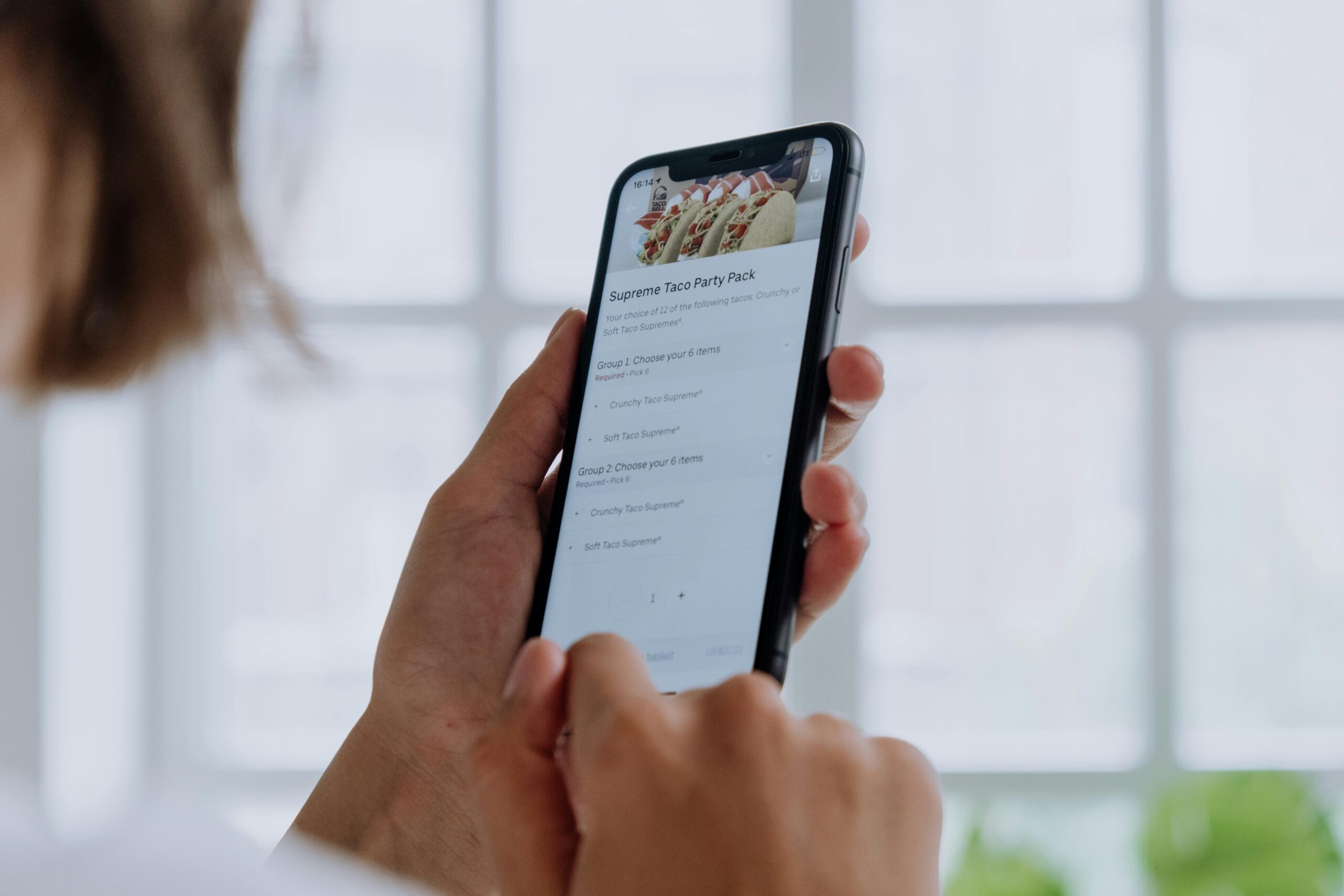
Understanding what truly drives us to open an app daily can transform how developers design experiences and how users engage with digital products.

🎯 The Fundamental Psychology Behind App Engagement
Every time you unlock your phone and tap on an app, there’s a psychological force at work. Whether you’re checking social media, tracking your fitness, or playing a game, motivation is the invisible hand guiding your behavior. But not all motivation is created equal, and understanding the difference between intrinsic and extrinsic motivation can revolutionize how we approach app design and user engagement.
Intrinsic motivation comes from within—it’s the pure enjoyment, curiosity, or personal satisfaction we get from an activity. Extrinsic motivation, on the other hand, stems from external rewards like badges, points, or social recognition. Both play crucial roles in app engagement, but their effects differ dramatically in terms of long-term user retention and satisfaction.
The most successful apps don’t rely solely on one type of motivation. Instead, they create a delicate balance that taps into our psychological needs while providing tangible rewards. This balance is what separates apps we use once from those that become part of our daily routines.
💡 Intrinsic Motivation: The Heart of Sustainable Engagement
Intrinsic motivation is powerful because it’s self-sustaining. When users engage with an app because they genuinely enjoy the experience, they don’t need constant external validation or rewards to keep coming back. This type of motivation is rooted in three fundamental psychological needs identified by Self-Determination Theory: autonomy, competence, and relatedness.
Autonomy: The Freedom to Choose Your Path
Apps that foster intrinsic motivation give users meaningful choices. Think about creative apps like Procreate or music production tools where users have complete control over their creative expression. The app becomes a canvas rather than a prescriptive system, allowing personal exploration and self-expression.
When users feel they’re in control of their experience rather than being manipulated by algorithmic nudges, engagement becomes more authentic. This autonomy creates a sense of ownership that transforms casual users into passionate advocates.
Competence: Mastery and Growth
People are naturally drawn to activities that challenge them at the right level—not too easy to be boring, not too hard to be frustrating. Duolingo exemplifies this perfectly by adapting lesson difficulty based on user performance, creating a continuous sense of progress and skill development.
The feeling of getting better at something—whether it’s learning a language, mastering a game mechanic, or improving fitness metrics—triggers intrinsic satisfaction that no external reward can replicate. This competence-driven engagement creates users who return because they want to, not because they feel they should.
Relatedness: Connection and Community
Humans are social creatures, and apps that facilitate genuine connections tap into deep intrinsic needs. Discord, for example, succeeds not through gamification gimmicks but by creating spaces where communities naturally form around shared interests.
When app engagement stems from meaningful social connections rather than vanity metrics, users develop emotional attachments to the platform. These relationships become the primary motivator, making the app indispensable to their social lives.
🏆 Extrinsic Motivation: The Double-Edged Sword
Extrinsic motivation isn’t inherently bad—it’s incredibly effective at initiating behavior and creating immediate engagement spikes. Points, badges, leaderboards, and rewards can quickly attract users and encourage specific actions. However, relying too heavily on extrinsic motivators can backfire spectacularly.
The Short-Term Power of External Rewards
External rewards work brilliantly for onboarding and establishing habits. Fitness apps like Strava use achievement badges to encourage users to complete their first runs, reach distance milestones, or participate in challenges. These tangible rewards provide immediate feedback and create visible progress markers.
The gamification revolution in app design has demonstrated that well-implemented extrinsic motivators can significantly boost engagement metrics. Streaks, daily login bonuses, and achievement systems create compelling reasons to return to an app regularly.
The Overjustification Effect: When Rewards Backfire
Here’s where things get tricky: research shows that introducing external rewards for activities people already enjoy can actually decrease intrinsic motivation. This phenomenon, called the overjustification effect, occurs when external incentives crowd out internal drive.
Imagine a user who genuinely loves photography sharing their work on a platform. If the platform suddenly introduces a points system for uploads, the user might begin associating their creative expression with point accumulation rather than pure enjoyment. When the novelty of points wears off, their overall motivation may decline.
This is why many apps experience high initial engagement from gamification that eventually plateaus or declines. Users become conditioned to expect rewards, and when those rewards lose their appeal, the underlying intrinsic motivation has been eroded.
⚖️ Striking the Perfect Balance
The most successful apps understand that intrinsic and extrinsic motivation aren’t opposing forces—they’re complementary tools that, when balanced properly, create powerful engagement ecosystems.
Using Extrinsic Rewards to Support Intrinsic Goals
The key is ensuring that external rewards support rather than replace internal drive. For example, a meditation app might use streak counters (extrinsic) to help users establish a consistent practice, but the real value comes from the peace and clarity users experience (intrinsic).
Headspace does this effectively by combining progress tracking with genuine educational content about mindfulness benefits. The external markers serve as scaffolding for building an intrinsically rewarding habit.
Providing Informational Rather Than Controlling Feedback
There’s a crucial distinction between feedback that informs and feedback that controls. Informational feedback supports autonomy by helping users understand their progress without dictating behavior. Controlling feedback, like aggressive notifications or manipulative messaging, undermines autonomy and reduces intrinsic motivation.
Compare two approaches: “You’ve missed three days—don’t lose your streak!” versus “You’ve completed 15 sessions this month, improving your average by 20%.” The first is controlling and anxiety-inducing; the second is informational and empowering.
🔍 Real-World Examples: Apps Getting It Right
Spotify: Personalization Meets Discovery
Spotify masterfully balances motivational types by making music discovery intrinsically enjoyable through personalized playlists while using extrinsic elements like year-end wrapped summaries and sharing features. The core experience—listening to music you love—remains intrinsically motivated, while social features provide optional external validation.
Notion: Productivity Through Flexibility
Notion’s success comes from maximizing user autonomy. Rather than prescribing workflows, it provides tools for users to create their own systems. This flexibility taps into intrinsic motivation by allowing competence development and personal expression, while template galleries and community showcases offer optional inspiration and recognition.
Pokemon GO: Blending Real-World Exploration with Collection
Pokemon GO creates intrinsic motivation through exploration and real-world social interaction while layering in extrinsic motivators like catching rare Pokemon and completing collections. The genius is that the extrinsic goals encourage behaviors that are intrinsically rewarding—walking outdoors, exploring neighborhoods, and meeting fellow players.
📊 The Data Behind Motivation and Retention
Research consistently shows that users motivated primarily by intrinsic factors demonstrate significantly higher long-term retention rates. A study of mobile game players found that those who reported playing for enjoyment rather than achievement remained active 3-4 times longer than those motivated primarily by progression systems.
However, the data also reveals that extrinsic motivators are crucial during the first two weeks of app use, when users are still discovering whether the core experience provides intrinsic value. This suggests a strategic approach: use external motivators to guide initial behavior while quickly revealing the intrinsically rewarding aspects of your app.
| Motivation Type | Strength | Weakness | Best Application |
|---|---|---|---|
| Intrinsic | Sustainable, self-reinforcing | Slow to develop | Core app experience |
| Extrinsic | Quick behavioral change | Diminishing returns | Onboarding, habit formation |
| Balanced | Immediate + sustained engagement | Requires careful design | Comprehensive strategy |
🛠️ Practical Design Strategies for Developers
If you’re building or improving an app, here are concrete ways to leverage both motivation types effectively:
- Front-load intrinsic value: Don’t make users work through extensive tutorials or gamification systems before experiencing what makes your app genuinely useful or enjoyable.
- Make rewards meaningful: Ensure external rewards connect to the app’s core value proposition rather than being arbitrary point systems.
- Provide autonomy support: Offer customization, choice, and the ability to opt out of gamification features for users who find them distracting.
- Focus on competence feedback: Show users how they’re improving or what they’re accomplishing in ways that feel informational rather than manipulative.
- Facilitate genuine connections: If your app has social features, prioritize quality interactions over vanity metrics like follower counts.
- Reduce friction for intrinsically motivated actions: Make the core valuable activities as easy and delightful as possible.
- Use scarcity carefully: Time-limited events can create urgency, but constant FOMO tactics erode trust and enjoyment.
🚀 The Future of Motivation-Driven Design
As users become more sophisticated and aware of manipulation tactics, the future belongs to apps that respect user psychology while providing genuine value. We’re seeing a shift away from aggressive gamification toward what might be called “humanistic design”—approaches that support user goals rather than exploiting psychological vulnerabilities.
Machine learning and AI present new opportunities to personalize motivational strategies. Some users respond better to challenges and competition, while others prefer collaborative experiences or solitary mastery. Future apps will likely adapt their motivational approaches based on individual user psychology, offering different engagement paths for different personality types.
Privacy-conscious design is also becoming a motivational factor itself. Users increasingly view apps that don’t manipulate or over-collect data as more trustworthy, creating intrinsic preference for platforms that respect boundaries.
🎓 Learning From Your Users
The most valuable insight comes from observing which features users engage with when all external pressure is removed. What do they do when there are no notifications, no rewards at stake, and no social pressure? These organically chosen behaviors reveal the intrinsically motivating core of your app.
User research should explore not just what people do, but why they do it. Are they using your fitness app because they enjoy the workouts, or just to maintain a streak? Do they share content because they genuinely want to communicate, or because they’re chasing likes? These distinctions matter enormously for long-term strategy.
A/B testing can measure which motivational approaches drive higher engagement, but qualitative research reveals whether that engagement is sustainable and satisfying. The goal isn’t maximum screen time—it’s creating experiences people genuinely value and choose repeatedly.
💪 Empowering Users Through Understanding
For users, understanding your own motivational drivers can transform your relationship with technology. When you recognize that you’re using an app primarily for external validation rather than genuine value, you can make more intentional choices about your digital consumption.
Ask yourself: Would I still use this app if nobody knew about it? If there were no points, badges, or streaks? If the answer is no, consider whether the app is serving you or whether you’re serving the app’s engagement metrics.
The most fulfilling app experiences align with your personal goals and values, providing tools that enhance your life rather than creating artificial dependencies. By recognizing the difference between intrinsic and extrinsic motivation in your own behavior, you become a more conscious consumer of digital experiences.

🌟 Creating Meaningful Digital Experiences
The conversation about intrinsic versus extrinsic motivation ultimately comes down to respect—respect for users’ time, autonomy, and intelligence. Apps that treat users as whole people with complex motivations rather than engagement metrics to be optimized create loyal communities that grow organically.
The most powerful app experiences don’t feel like apps at all—they feel like extensions of our capabilities, facilitators of our goals, or windows into experiences we genuinely value. They enhance rather than replace real-world activities and relationships. They make us feel more competent, connected, and autonomous rather than dependent and manipulated.
As both developers and users, we have the opportunity to shape a digital ecosystem that supports human flourishing rather than exploiting psychological vulnerabilities. By understanding and applying the principles of intrinsic and extrinsic motivation thoughtfully, we can create and choose apps that truly serve us.
The future of app engagement isn’t about more sophisticated manipulation—it’s about deeper alignment between technology and human needs. When apps tap into our inner drive rather than manufacturing external dependencies, everyone wins. Users get meaningful experiences, and developers build sustainable businesses based on genuine value rather than addictive design patterns.